
You have cleared the aptitude test and passed the technical round and impressed the manager. Now comes the final HR round where they ask the scariest question of all which is “What is your expected salary”. Most candidates freeze at this moment. They are afraid that if they ask for too much the company will reject them. So they simply accept whatever number the HR offers. This is the biggest financial mistake of your career.
Accepting the first offer without negotiation can cost you lakhs of rupees in the long run. If you start your career with a low base salary your future increments will also be low because hikes are usually a percentage of your current salary. A difference of just five thousand rupees today can become a difference of fifty lakhs over a twenty year career. You owe it to yourself to fight for your worth.
Negotiation is not arguing and it is not begging. It is a professional business discussion. The company expects you to negotiate. In fact HR managers often keep a buffer budget because they know smart candidates will ask for more. If you do not ask you are leaving free money on the table. In this guide we will teach you the exact scripts and psychology to get the paycheck you deserve.
Know Your True Market Value
You cannot go into a negotiation blind. You need data to back up your demand. If you just say “I want more money” you sound greedy. But if you say “The market rate for this role is 8 LPA” you sound smart. Before the interview go to websites like Glassdoor or AmbitionBox or LinkedIn. Search for the job title and see what other companies are paying for the same experience level. This research gives you a “Range”. For example if the market pays between 6 Lakhs and 9 Lakhs you should aim for the higher end of that bracket. When you quote a number based on research the HR knows you have done your homework and respects you more.
The Timing is Everything
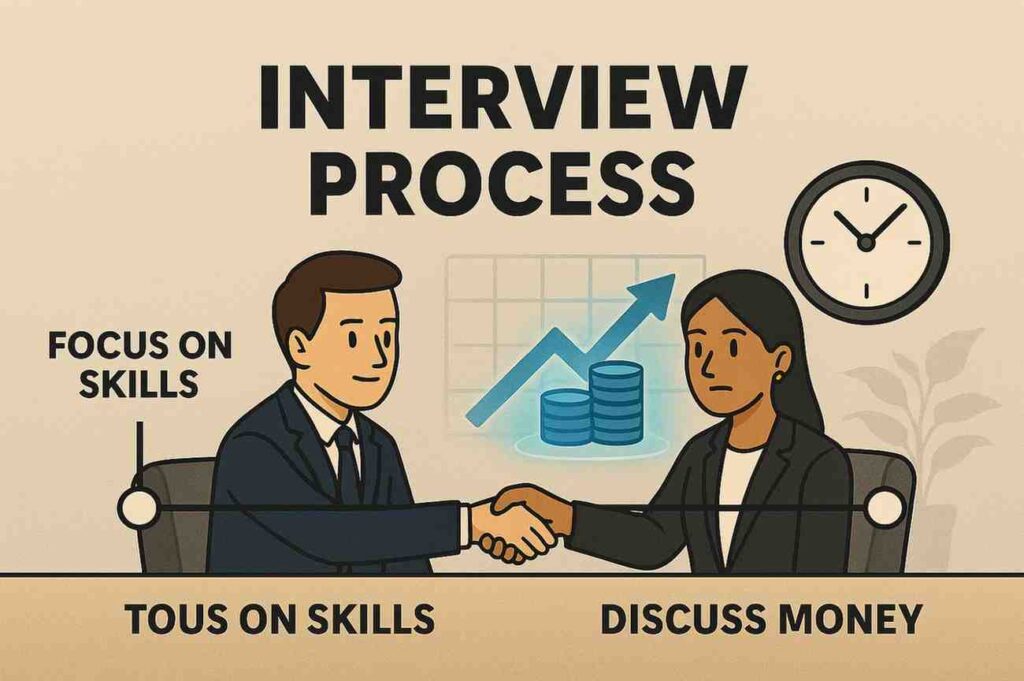
Do not discuss salary too early in the process. If you ask “How much will you pay” in the first five minutes you look like you only care about money. The best time to negotiate is after they have said “We want to hire you”. At this point you have the power. They have already spent weeks interviewing people and they have chosen you. They do not want to start the process again. This is your golden window to push for a better number. Be patient and let them fall in love with your skills first before you talk price.
👉 Read : Build a Resume That Gets You Hired (ATS Guide)
The Exact Script to Use
Many people fail because they do not know what words to say. They get nervous and say “Okay fine”. You need to be polite but firm. When they make an offer do not say “Yes” immediately. Instead say “Thank you for the offer. I am very excited about the role. However based on my research and experience I was expecting a package closer to X amount. Is there room to move closer to that number?” This is a non-aggressive way to ask. You are not rejecting them you are simply opening a door for discussion.
Weak vs Strong Responses
| Weak Response | Strong Response |
| Okay I accept it. | I need a day to review the offer details. |
| I want more money. | Based on market standards I expect X amount. |
| My rent is high. | My skills will bring X value to your team. |
| Is this final? | Is the salary structure flexible? |
Negotiate Beyond the Base Salary
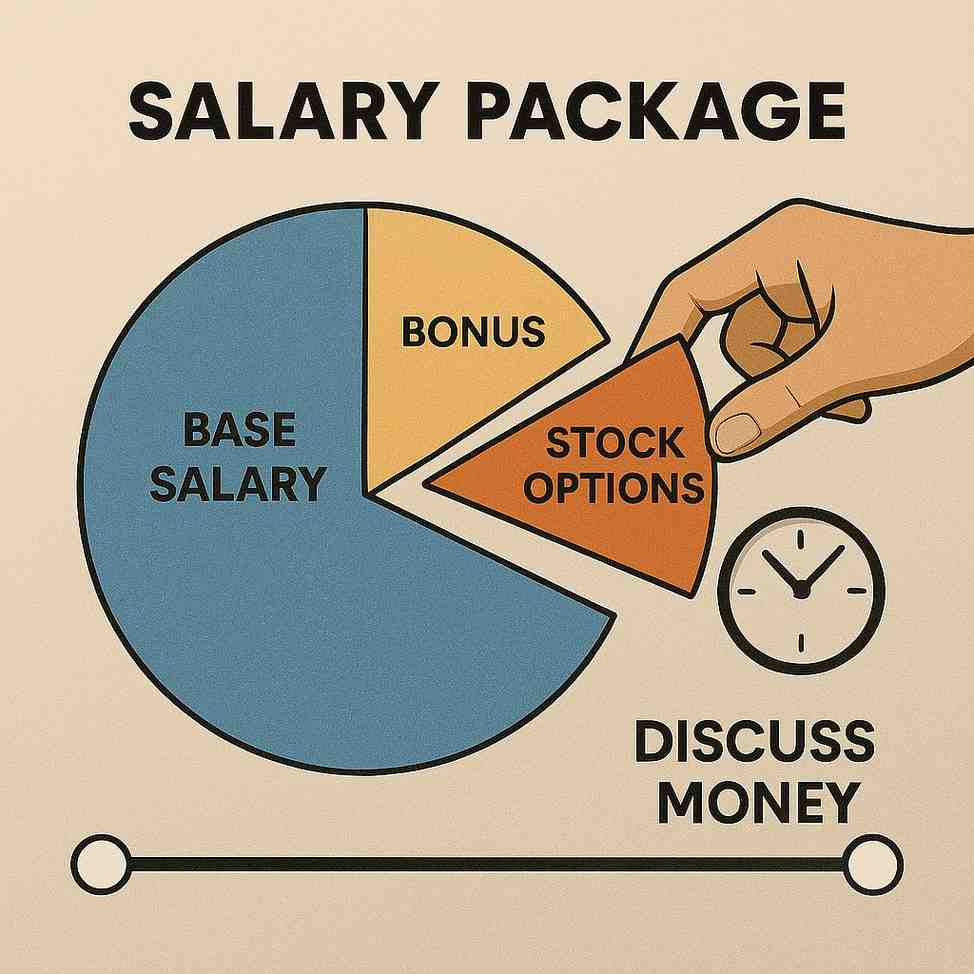
Sometimes the HR truly has a fixed budget and cannot increase your base salary. Does that mean you lost? No. You can negotiate other components which are called Perks. You can ask for a “Joining Bonus” which is a one time payment. You can ask for “Work from Home” days which saves you travel money. You can ask for extra “Paid Leaves” or a better “Health Insurance” plan. Money is not the only thing that matters. A job that pays slightly less but allows you to work from home might actually save you more money in the long run compared to a high paying job with a long commute.
👉 Read: Save Tax on Your New Salary (Old vs New Regime)
Perks You Can Ask For
| Perk Name | Benefit |
| Joining Bonus | Instant cash regarding first month |
| Relocation Cost | Money to move to a new city |
| Remote Work | Saves travel time and fuel cost |
| Learning Budget | Company pays for your courses |
| Stock Options | Shares in the company future |
Walking Away is a Power Move
The strongest tool in negotiation is the willingness to walk away. If the offer is too low and they refuse to budge you must be brave enough to say “No”. Often when you politely decline the offer citing salary issues the HR might call you back two days later with a better number. They realize they might lose a good candidate. However only do this if you truly have other options or if the salary is below your survival need. Do not bluff if you are desperate for the job.
Negotiation Checklist
| Step | Action |
| Research | Did you check Glassdoor for rates? |
| Practice | Did you rehearse your script? |
| Silence | Can you stay silent after asking? |
| Perks | Did you list non-monetary benefits? |
| Get the final offer in writing always. |
Conclusion
Your salary defines your lifestyle and your savings. Do not let fear decide your worth. The HR manager is just doing their job to save the company money. Your job is to earn the best value for your skills. A five minute awkward conversation can give you a happier life for the next five years. Speak up and ask for what you deserve.
Frequently Asked Questions
Q1. Can freshers negotiate salary?
Yes absolutely. While freshers have less leverage than experienced people you can still negotiate if you have strong internship records or unique skills that set you apart.
Q2. Will they withdraw the offer if I negotiate?
It is extremely rare for a company to withdraw an offer just because you asked for more. The worst they will say is “No we cannot increase it”. They will not fire you before hiring you.
Q3. Should I reveal my current salary?
Try to avoid it if possible. If they insist you can say “I would like to focus on the value I bring to this role rather than my past salary history”.
(Disclaimer: Negotiation outcomes depend on company policy and candidate skills. This guide provides general strategies.)

admin
Expert content creator dedicated to providing authentic educational and career updates.